
Displaying 73-84 of 255 Results

Embry‑Riddle Students Present Forward-Looking Space Research at International Conference
Several Embry-Riddle students were selected to present cutting-edge space research at the inaugural Rising Stars program of the 2025 International Space Development Conference, sharing work on topics ranging from all-female lunar crew logistics to spacecraft design.
August 13, 2025

Affordable Exoskeleton Designed by Embry‑Riddle Researchers Aims to Give Workers a Lift
Embry-Riddle mechanical engineering researchers have developed a lightweight, low-cost exoskeleton designed to reduce musculoskeletal strain for workers who perform repetitive or heavy-lifting tasks, with student involvement at the center of the project.
August 11, 2025
Embry‑Riddle Researchers Launch Rockets for a Deeper Look at Ionized Clouds That Disrupt Communications
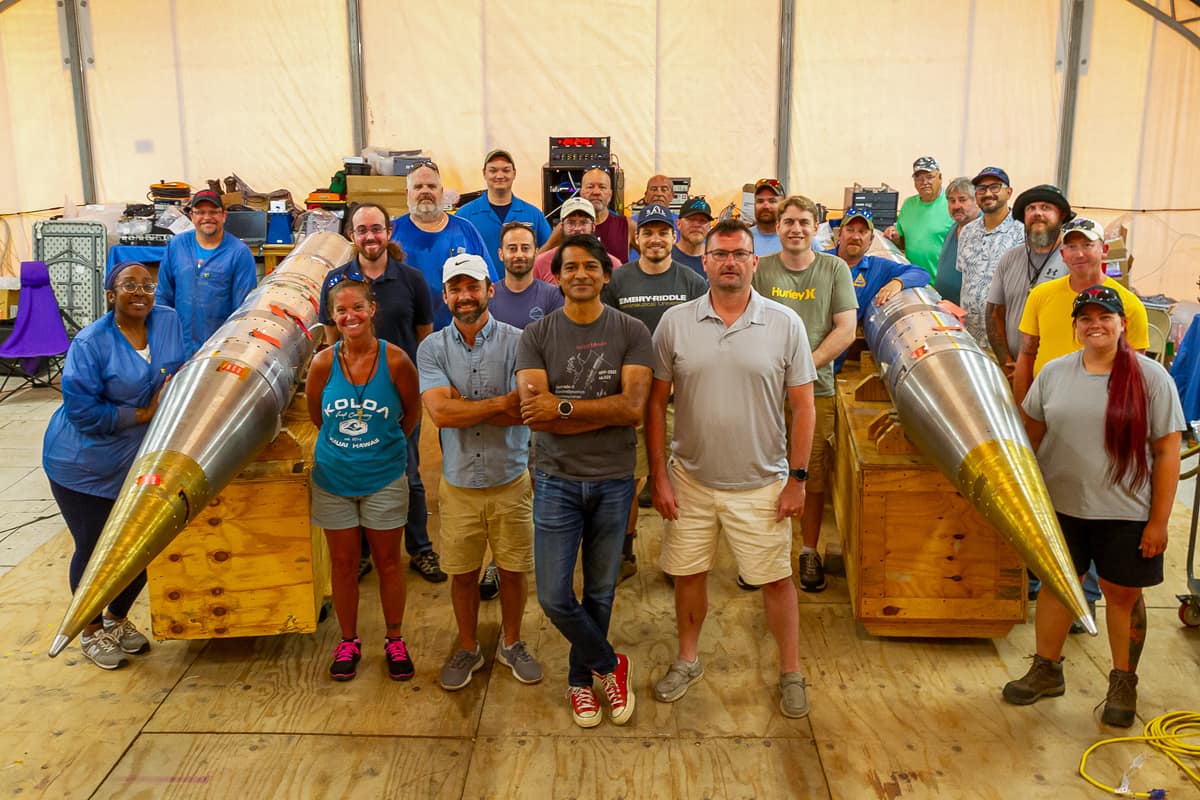
Embry-Riddle researchers and NASA launched a pair of sounding rockets from Kwajalein Atoll as part of the SEED project, gathering data on ionized plasma bubbles in the upper atmosphere that can disrupt GPS and communications signals.
August 5, 2025
High-Profile Fellowship Helps Embry-Riddle Professor Explore Critical Space Policy Questions
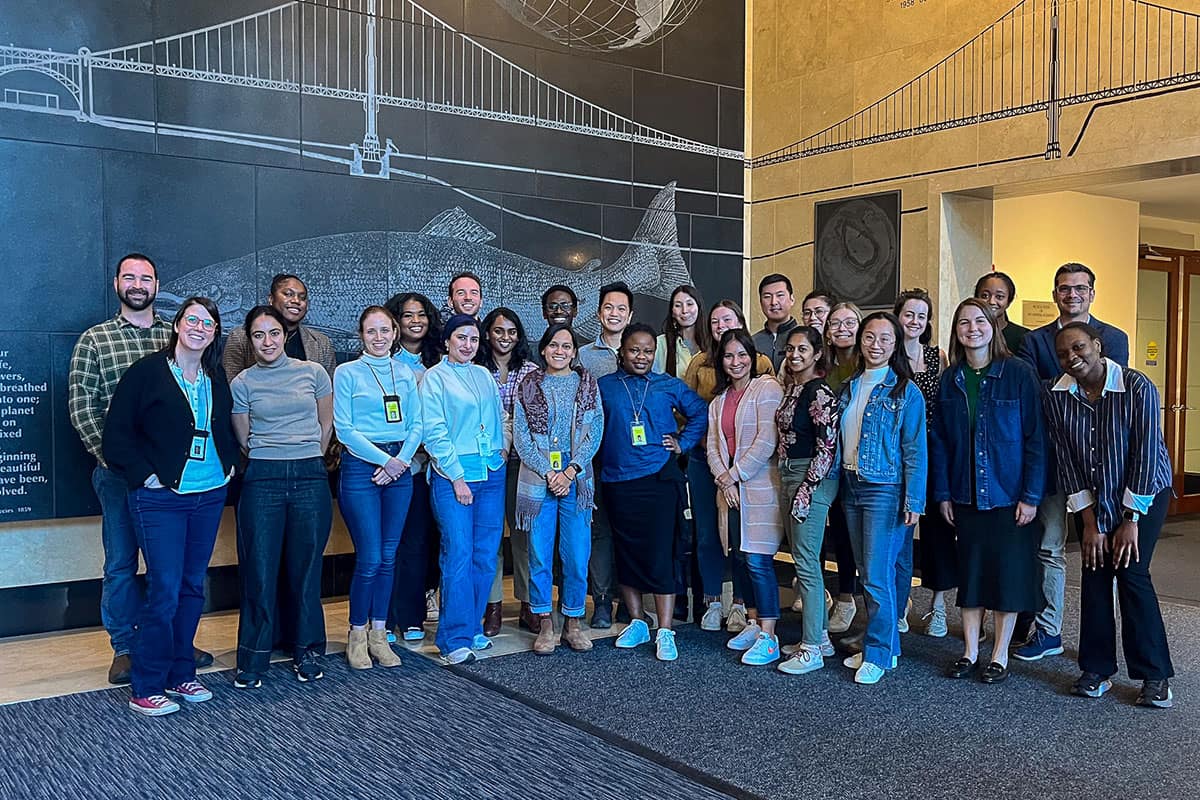
Dr. David Canales Garcia, an Embry-Riddle aerospace engineering professor, was selected for the prestigious Mirzayan Fellowship at the National Academies in Washington, D.C., where he explored critical space policy questions alongside government and industry leaders.
July 31, 2025
Embry-Riddle Students Share Research With Community at Museum Event
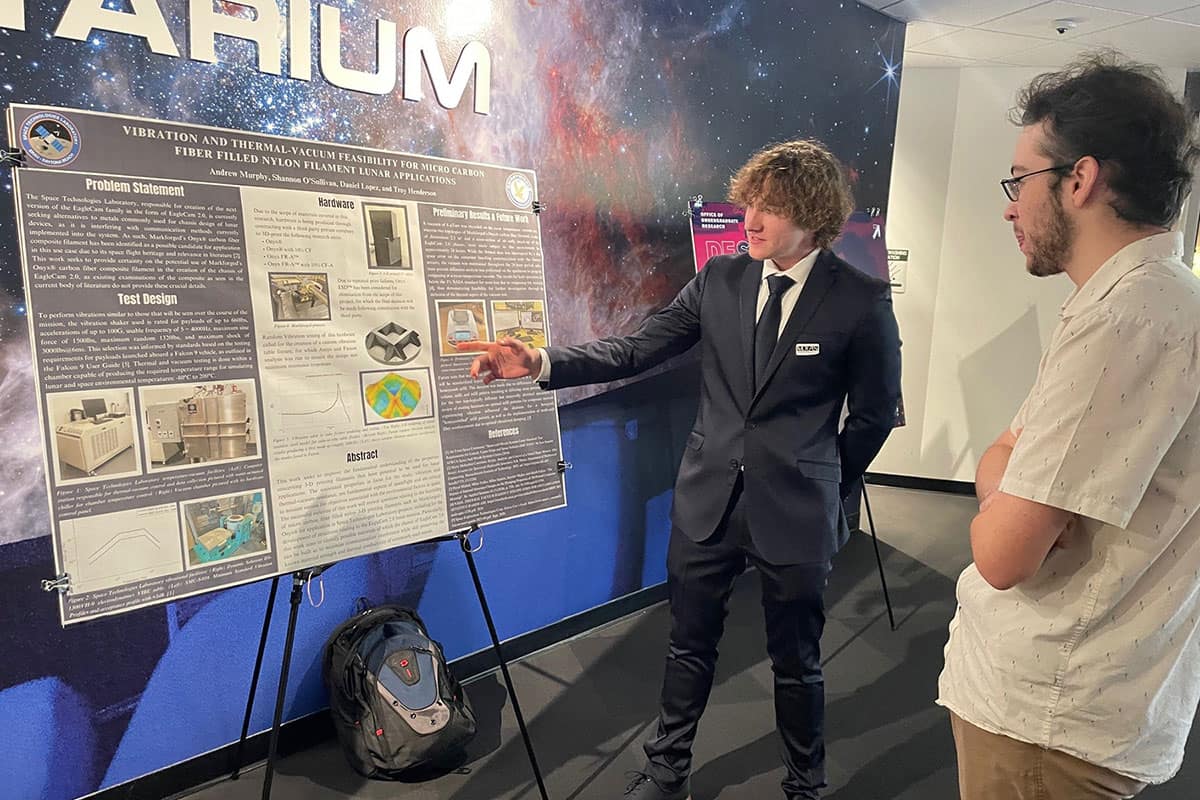
Embry-Riddle students showcased their undergraduate research to the public at the Museum of Arts and Sciences in Daytona Beach, bringing aerospace and applied science projects out of the lab and into the community at the university's inaugural museum showcase.
July 29, 2025

FAA Study Led by Embry‑Riddle Warns of Drone Risks to Aircraft
An FAA-commissioned study led by Embry-Riddle researchers found that drones are routinely flying above the 400-foot regulatory ceiling, raising significant safety concerns about the growing risk of mid-air conflicts with crewed aircraft.
July 15, 2025

Embry‑Riddle Faculty Elected Fellows in the Royal Aeronautical Society
Four Embry-Riddle faculty members — Dr. Robert Thomas, Dr. Krishna Sampigethaya, Dr. Leila Halawi and Dr. Vladimir Golubev — have been elected as fellows of the Royal Aeronautical Society, one of the world's oldest and most distinguished aviation organizations.
July 9, 2025

Embry Riddle Professor Undergrads Unlock Secrets of Cosmic Dust With the Webb Telescope
An Embry-Riddle professor and a team of undergraduates are using data from the James Webb Space Telescope to study the dusty shells formed around rare Wolf-Rayet stars, shedding light on how these massive stars shed material late in their lives.
July 7, 2025

Embry‑Riddle Student Team Earns First Place in NASA Human Lander Challenge
A student team from Embry-Riddle's Prescott Campus took first place at the 2025 NASA Human Lander Challenge finals in Huntsville, Alabama, earning top honors for their innovative lunar landing technology.
July 2, 2025

Two Embry-Riddle Undergraduates Named Goldwater Scholars
Aerospace Physiology junior Natalie Brattain and Space Physics sophomore Grace Gratton have been named 2025 Goldwater Scholars - the first time Embry-Riddle has had two recipients in a single year - in recognition of their research in space medicine and heliophysics.
June 26, 2025
Embry‑Riddle Undergrads Develop ‘Guard Dog’ System to Ward Off Cyberattacks
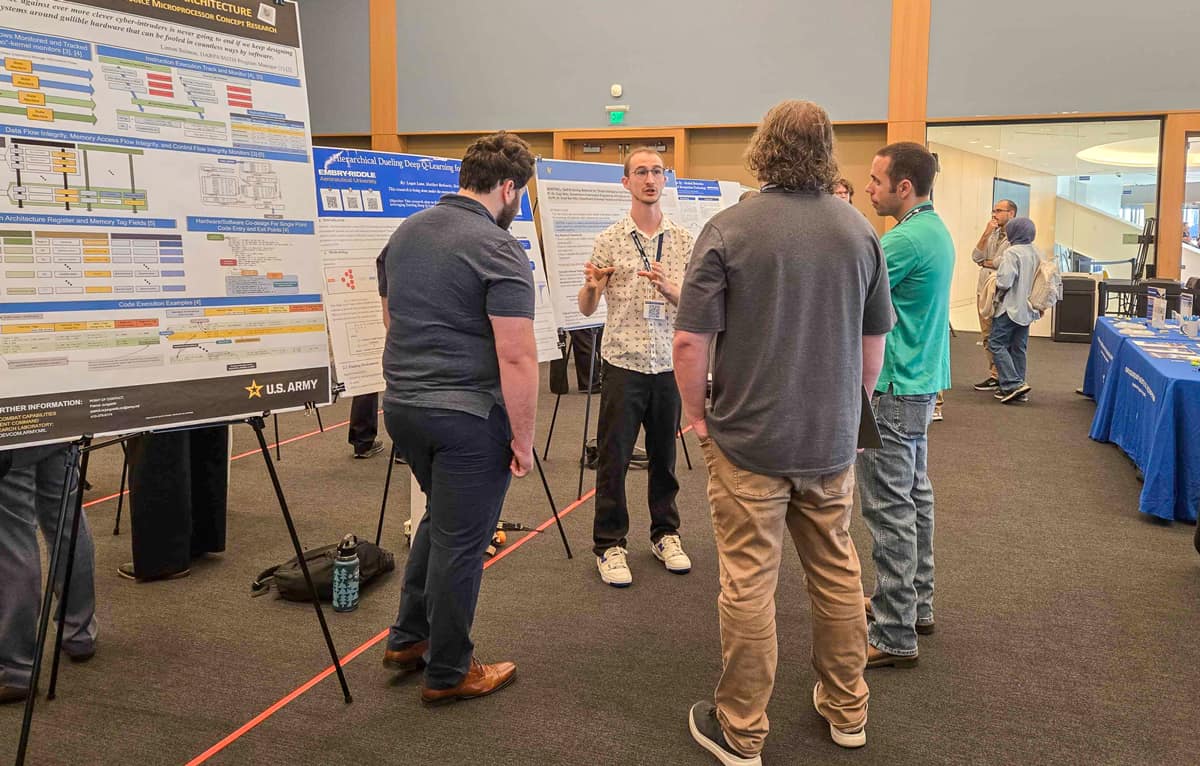
Three Embry-Riddle undergraduates earned a first-place IEEE award for developing a machine-learning cybersecurity system that autonomously adapts to new threats - a capability that goes beyond traditional signature-based defenses.
June 24, 2025

Can Bubbly Water Reduce Fighter Jet Noise? Embry‑Riddle Researchers Investigate
Embry-Riddle researchers are investigating whether curtains of air-charged water flanking a fighter jet during carrier takeoffs could absorb and scatter the damaging noise - which can exceed 140 decibels - produced by the aircraft's exhaust.
June 12, 2025