
Displaying 49-60 of 182 Results

From the Skies to Space, Embry‑Riddle Draws Bold New Explorers
On sky-blue letterhead, an eagle and globe encircle the words Embry-Riddle International School of Aviation.
October 13, 2025

Three Embry‑Riddle Faculty Named AIAA Associate Fellows for Excellence in Aerospace
The American Institute of Aeronautics and Astronautics (AIAA) has named three Embry‑Riddle Aeronautical University faculty members to its 2026 Class of Associate Fellows — an honor recognizing their outstanding contributions to the field of aerospace.
October 10, 2025
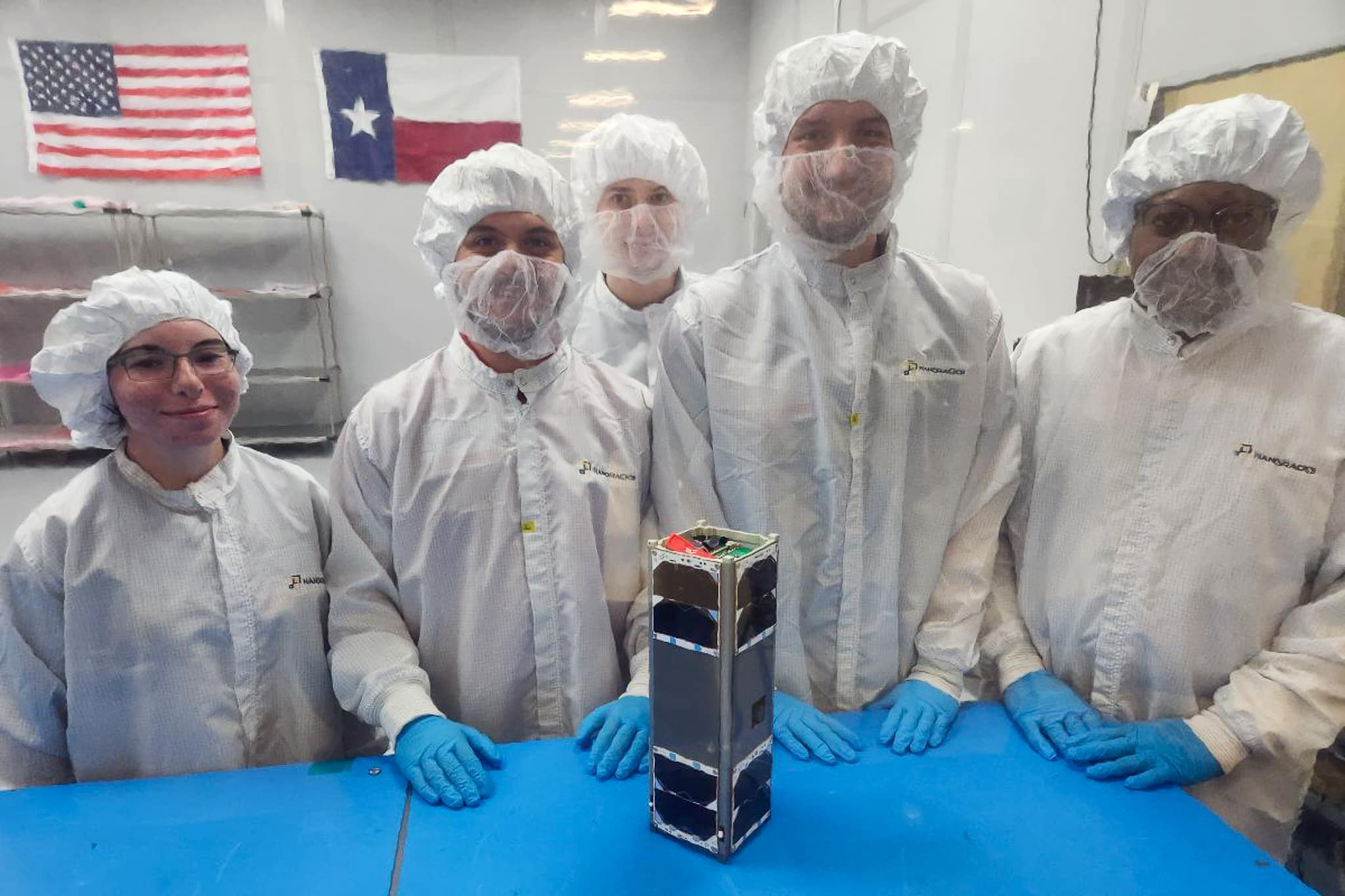
Aviation Week Op-Ed: Cubesats Present Big Benefits for Students and Industry, Embry‑Riddle President Says
In his latest Aviation Week essay, Embry‑Riddle Aeronautical University President P. Barry Butler, Ph.D., highlights how cubesats have come to make space engineering and science accessible to a wide range of players through partnerships among commercial space companies, universities and NASA.
October 9, 2025

Space Trek Academy Launches Embry-Riddle Student’s Career Aspirations
Embry‑Riddle Aeronautical University student Whitney Melick’s dream to build and launch her own projects into space got closer to reality after attending the Space Trek Academy at NASA’s Kennedy Space Center.
October 3, 2025
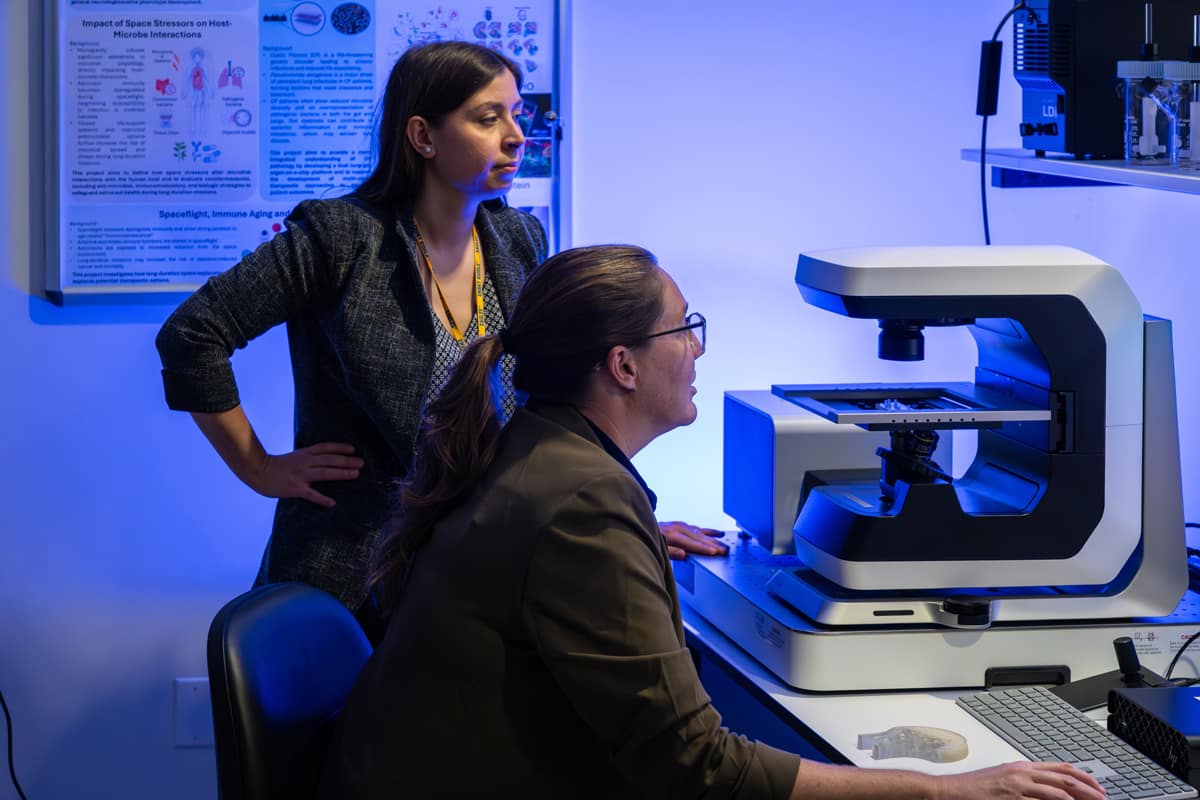
New Embry‑Riddle SPACE Lab Advances Science to Improve Astronaut Health, Combat Disease on Earth
Researchers at Embry‑Riddle Aeronautical University are creating “living” models using human tissue.
October 1, 2025

Shooting for Excellence
Q&A with Embry‑Riddle’s Female Student-Athlete of the Year
September 30, 2025

Meet the 2025 Class of Boeing Scholars at Embry‑Riddle
Twelve students from across Embry-Riddle's Daytona Beach and Prescott campuses have been named 2025 Boeing Scholars, receiving financial support and industry connections as they pursue degrees in aviation, engineering, security and space.
September 22, 2025

Embry‑Riddle, NASA Enact Agreement to Advance Research, Educational Opportunities
Embry-Riddle and NASA's Langley Research Center have signed a Space Act Agreement, opening the door to expanded collaboration on aeronautics and space research and new opportunities for Embry-Riddle students and faculty.
September 12, 2025

Trailblazing Embry‑Riddle Space Physics Student Earns Prestigious Astronaut Scholarship
Space Physics student Grace Gratton has earned a 2025 Astronaut Scholarship, one of the most competitive undergraduate STEM awards in the country, in recognition of her research in heliophysics and space weather.
September 8, 2025

Embry‑Riddle Students Prepare to Launch CubeSat to Study Memory Chip Decay From Space Radiation
A student-built CubeSat called EagleSat-2, developed by Embry-Riddle's Prescott Campus team, is preparing for launch aboard a Northrop Grumman rocket to study how space radiation degrades the memory chips used in spacecraft.
September 2, 2025

Embry‑Riddle Students Present Forward-Looking Space Research at International Conference
Several Embry-Riddle students were selected to present cutting-edge space research at the inaugural Rising Stars program of the 2025 International Space Development Conference, sharing work on topics ranging from all-female lunar crew logistics to spacecraft design.
August 13, 2025
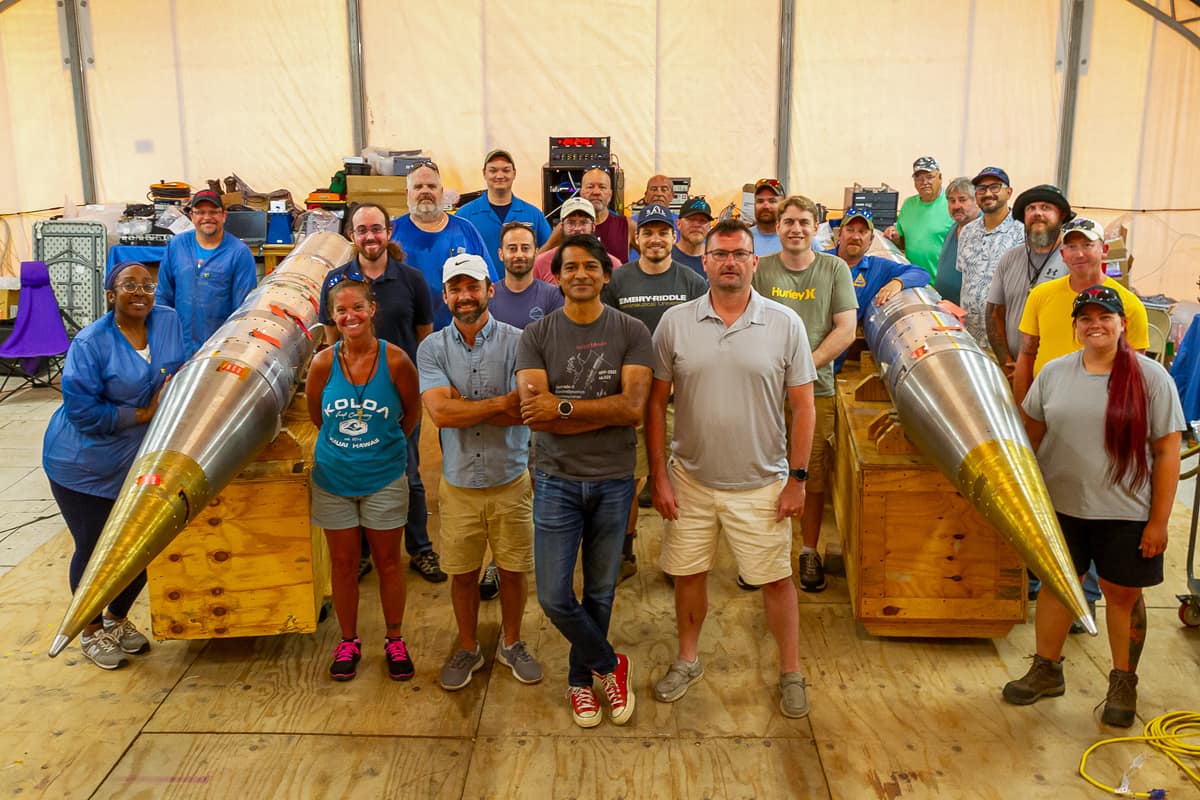
Embry‑Riddle Researchers Launch Rockets for a Deeper Look at Ionized Clouds That Disrupt Communications
Embry-Riddle researchers and NASA launched a pair of sounding rockets from Kwajalein Atoll as part of the SEED project, gathering data on ionized plasma bubbles in the upper atmosphere that can disrupt GPS and communications signals.
August 5, 2025