
Displaying 37-48 of 255 Results

Innovation on Display: Embry-Riddle Students Showcase Research at Florida Capitol
No one likes flight delays. That frustration is one of the reasons Embry‑Riddle Aeronautical University student John Preiss is researching ways to strengthen airline networks and reduce schedule disturbances.
February 9, 2026

Embry-Riddle’s Record Four NSF Graduate Research Fellows Continue to Find Success
Four Embry-Riddle students earned National Science Foundation Graduate Research Fellowships in the same cycle - a record for the university - and are now pursuing research in areas including space physics, engineering and astrophysics.
February 6, 2026

Embry-Riddle Researchers Collaborate on NASA’s Northern Lights Rocket Launch
A NASA dual-rocket launch scheduled this month will explore the northern lights, whose sky-spanning colors have recently made a stunningly extensive appearance.
February 4, 2026

Alumnus Jonathan Campos Commemorated at Embry-Riddle Through Funds Supporting Aviation Safety Research
Two aviation safety research funds honoring the memory of alumnus Jonathan Campos have been established at Embry‑Riddle Aeronautical University’s Boeing Center for Aviation and Aerospace Safety.
January 30, 2026

Embry-Riddle Faculty Awarded Office of Naval Research Grant to Develop Autonomous Boat Curricula
Embry-Riddle faculty have been awarded an Office of Naval Research grant to develop curriculum for autonomous surface vessel (uncrewed boat) operations, building on students' existing experience competing in the annual RoboBoat competition.
January 16, 2026

Embry-Riddle Study Finds Out What Aviation Has Learned From 100 Years of Data Collection, Research on Safety
Embry‑Riddle Aeronautical University researchers have analyzed a century's worth of aviation safety and human factors research and found new directions for the fields.
January 14, 2026
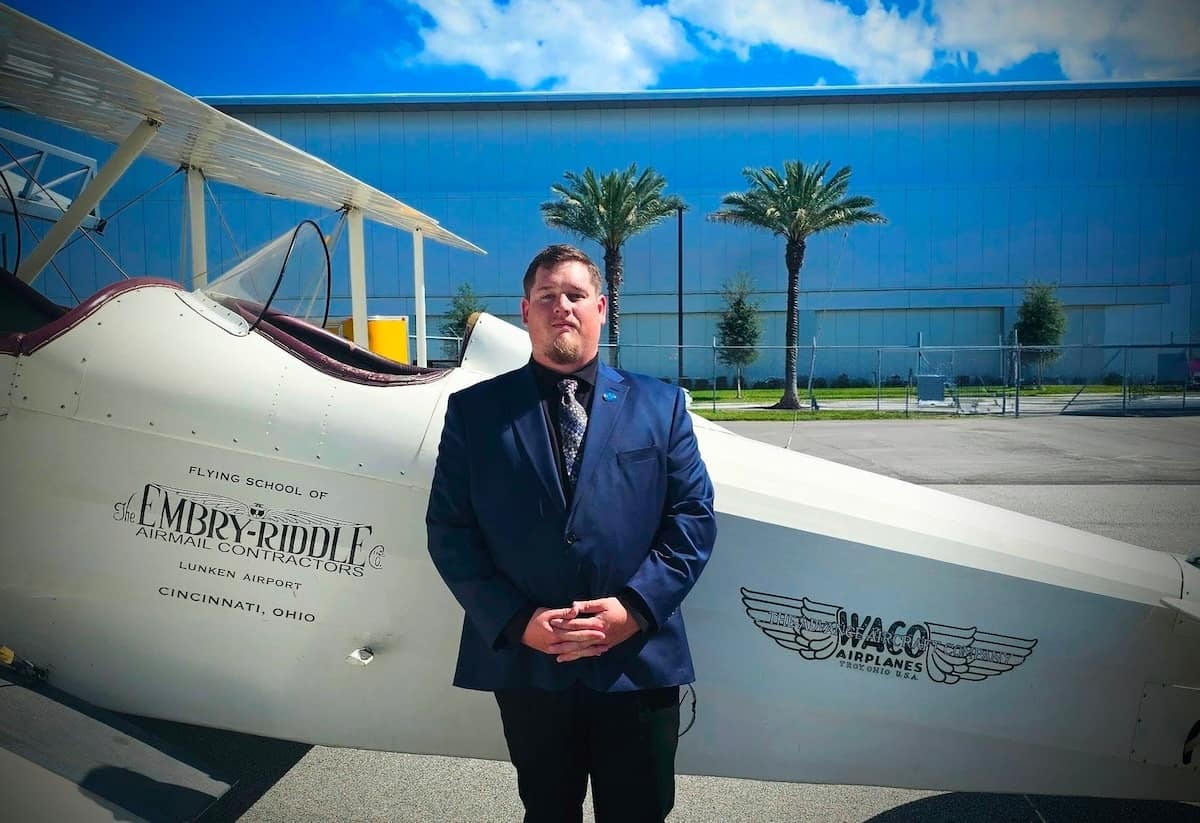
First Embry-Riddle Worldwide Research Scholar Highlights Academic, Career Opportunities
When Embry‑Riddle Aeronautical University student Jacob Pritchard earns his undergraduate degree this spring, it will include a unique designation: Research Scholar.
January 12, 2026

Six Embry-Riddle Students Honored in Aviation Week's Prestigious 20 Twenties List
Six Embry-Riddle students have been named to Aviation Week's 2026 '20 Twenties' list, an annual recognition of the most outstanding young aviation and aerospace professionals from universities around the world.
January 6, 2026

Cleaning Up the Final Frontier: Embry-Riddle Researchers Develop Net Mechanism to Catch Space Debris
With damaging strikes by accumulating space debris a serious threat to space missions and exploration, Embry‑Riddle researchers are developing a mechanism that can snag the debris with nets and tow it toward Earth’s atmosphere to burn up on reentry.
January 5, 2026

Embry-Riddle Professor Awarded NASA's Outstanding Public Leadership Medal
Dr. Aroh Barjatya, an Embry-Riddle physics professor, has received NASA's prestigious Outstanding Public Leadership Medal for leading a team that launched sounding rockets during two solar eclipses to study the upper atmosphere.
December 18, 2025

Embry-Riddle Research Team Publishes Variation on Theory of Relativity
Embry‑Riddle Aeronautical University researchers have developed a possible alternative to Einstein’s general theory of relativity as it relates to black holes, joining a movement among some physicists that looks to question the classical theory.
December 17, 2025
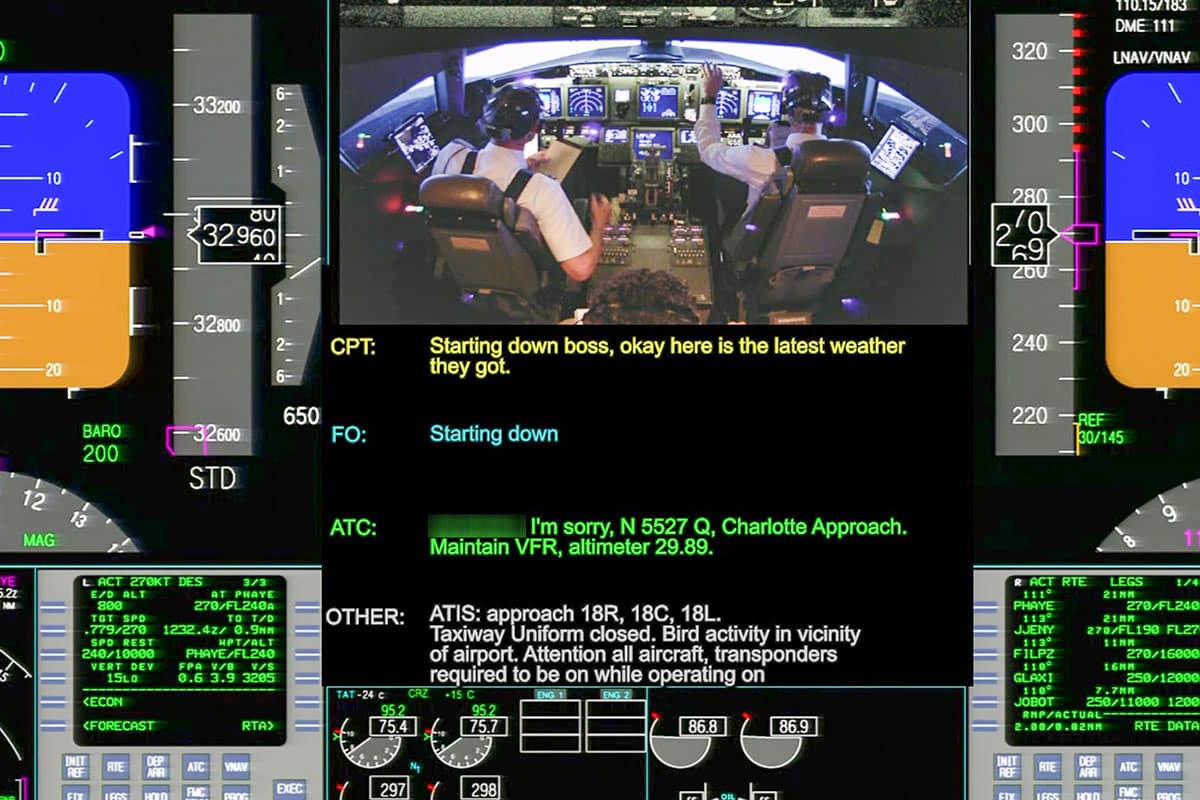
Aviation Week Op-Ed: Embry-Riddle President Puts Forward New Approach to Resilient Performance in Aviation Safety
In an Aviation Week op-ed, Embry-Riddle President P. Barry Butler proposes a shift toward measuring positive pilot performance - rather than focusing solely on failures - as a new framework for building resilient aviation safety systems.
December 16, 2025