
Displaying 61-72 of 255 Results

Student Research at Embry‑Riddle Calls for Female Crash Test Dummies in Safety Testing
Crash test dummies have improved vehicle safety for decades, but one Embry‑Riddle Aeronautical University sophomore is studying how to redesign them to better represent women.
October 28, 2025

More Eagles Than Ever Secure University Funding for Summer Research
For the past three years, Embry‑Riddle Aeronautical University student Celso Ferreira de Moura has juggled his studies with on- and off-campus jobs to cover his expenses.
October 24, 2025

Nine Embry‑Riddle Faculty Earn 2025 ERAU Research and Innovation Awards
Nine Embry-Riddle Aeronautical University faculty members have been recognized for outstanding research and innovation through the university's Research Awards Program.
October 20, 2025

Three Embry‑Riddle Faculty Named AIAA Associate Fellows for Excellence in Aerospace
The American Institute of Aeronautics and Astronautics (AIAA) has named three Embry‑Riddle Aeronautical University faculty members to its 2026 Class of Associate Fellows — an honor recognizing their outstanding contributions to the field of aerospace.
October 10, 2025
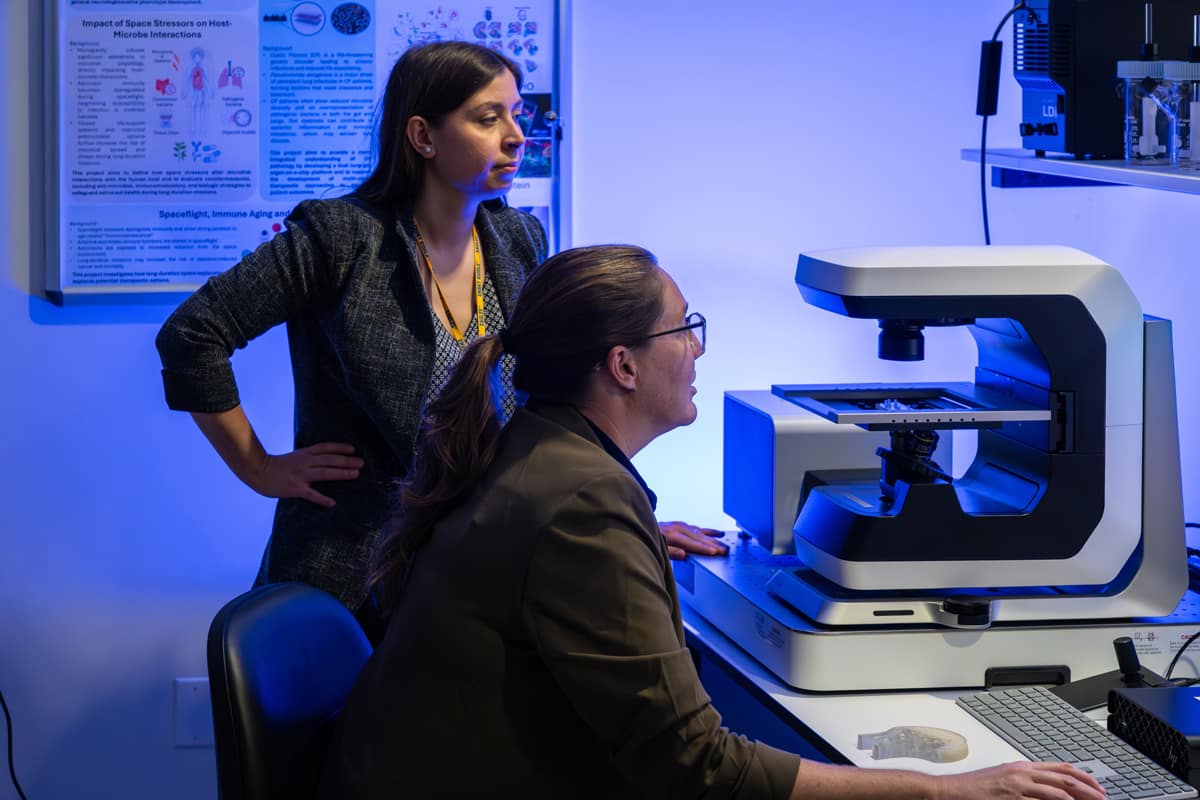
New Embry‑Riddle SPACE Lab Advances Science to Improve Astronaut Health, Combat Disease on Earth
Researchers at Embry‑Riddle Aeronautical University are creating “living” models using human tissue.
October 1, 2025

Engineer, Reservist, Eagle: Multifaceted Student Lands Dream Internship
September 30, 2025

Embry‑Riddle, NASA Enact Agreement to Advance Research, Educational Opportunities
Embry-Riddle and NASA's Langley Research Center have signed a Space Act Agreement, opening the door to expanded collaboration on aeronautics and space research and new opportunities for Embry-Riddle students and faculty.
September 12, 2025

Trailblazing Embry‑Riddle Space Physics Student Earns Prestigious Astronaut Scholarship
Space Physics student Grace Gratton has earned a 2025 Astronaut Scholarship, one of the most competitive undergraduate STEM awards in the country, in recognition of her research in heliophysics and space weather.
September 8, 2025
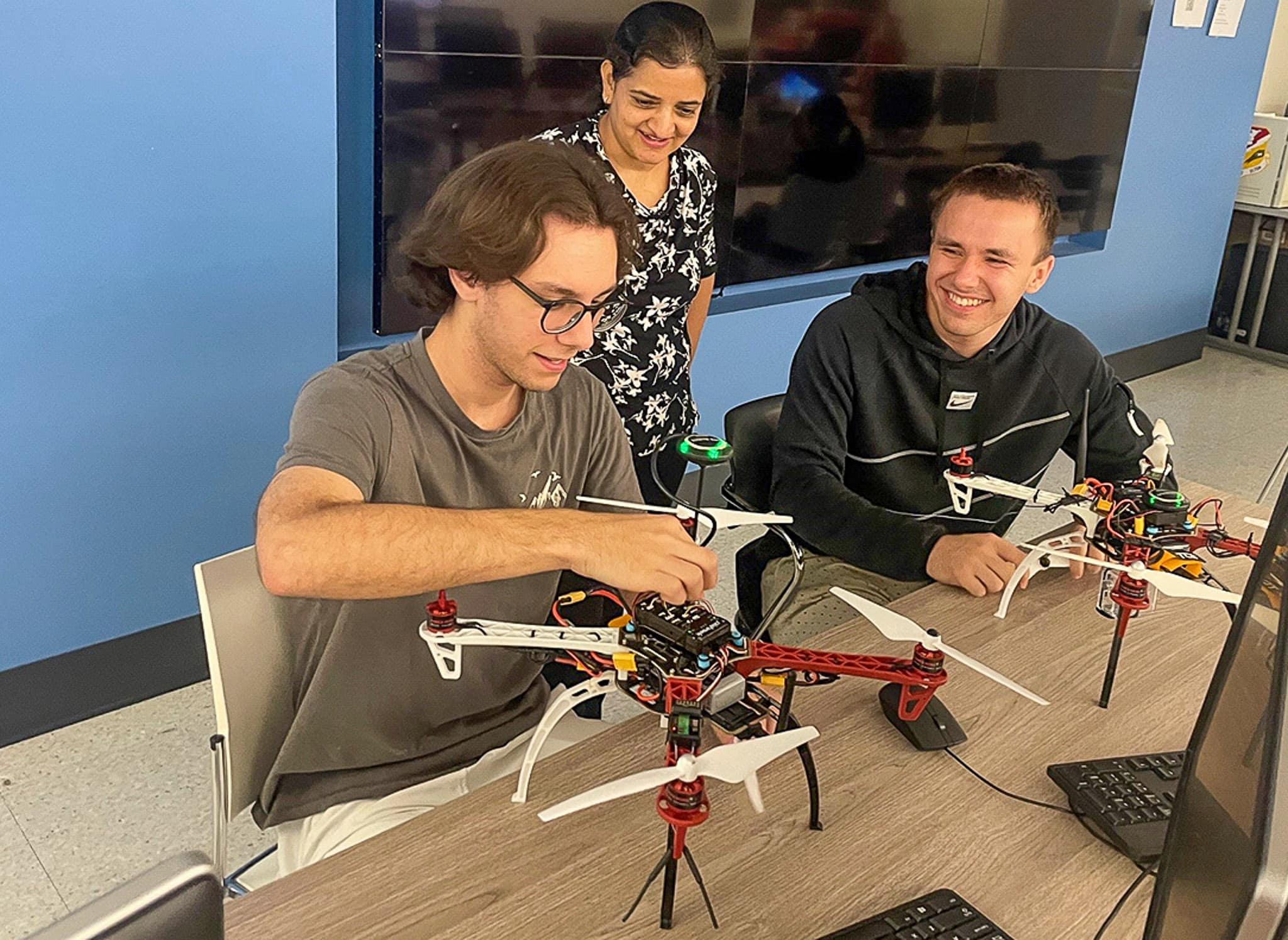
Undergrads Strengthen Drone Cybersecurity Through Embry‑Riddle, NSF Research Program
A group of Embry-Riddle undergraduates spent the summer working with Dr. Laxima Niure Kandel through an NSF Research Experience for Undergraduates program, developing new methods to detect and defend against cyberattacks targeting drone systems.
September 4, 2025

Embry‑Riddle's Dan Diessner Appointed Voting Member of FAA's Civil Aviation Cybersecurity Aviation Rulemaking Committee
Dan Diessner, executive director of Embry-Riddle's Center for Aerospace Resilient Systems, has been appointed as a voting member of the FAA's newly established Civil Aviation Cybersecurity Aviation Rulemaking Committee.
August 29, 2025

Say Again: Embry‑Riddle Researchers Develop AI System to Decode Aviation Speak
Embry-Riddle researchers are developing an AI-powered system that can accurately interpret the specialized shorthand used in pilot-controller radio communications, with the goal of reducing misunderstandings that can compromise aviation safety.
August 27, 2025

Drones, AI Give Embry‑Riddle Researchers a Fresh Look at Florida Lake
Embry-Riddle researchers are partnering with Stetson University to survey aquatic plant life on Lake Beresford in DeLand, Florida, using drones and AI image analysis to assess the health of the lake's ecosystem.
August 20, 2025