
Degree and Program Directory
We offer a comprehensive collection of academic programs focused on aviation, business, computers and technology, engineering, security, intelligence and space. Use the directory below to explore by campus, degree level or field of study.
Results
Displaying 27 Results
A
Explore the science and practice of piloting through hands-on flight and simulation. Focus on navigation, weather and safety to build the technical skills and professional judgment needed to operate aircraft and contribute to aviation mission success.

Examine the aviation industry through operations, safety, maintenance and air transportation systems. Develop technical understanding and applied problem solving that supports advancement across airports, flight organizations and aerospace networks.

Explore flight and space systems through aerodynamics, propulsion, structures and controls. Apply engineering methods in labs, design projects that advance aircraft performance and contribute to the future of space exploration.

Explore airspace coordination through navigation, communication and radar technologies. Focus on maintaining safety and efficiency while developing the decision-making skills needed to guide aircraft in complex environments.
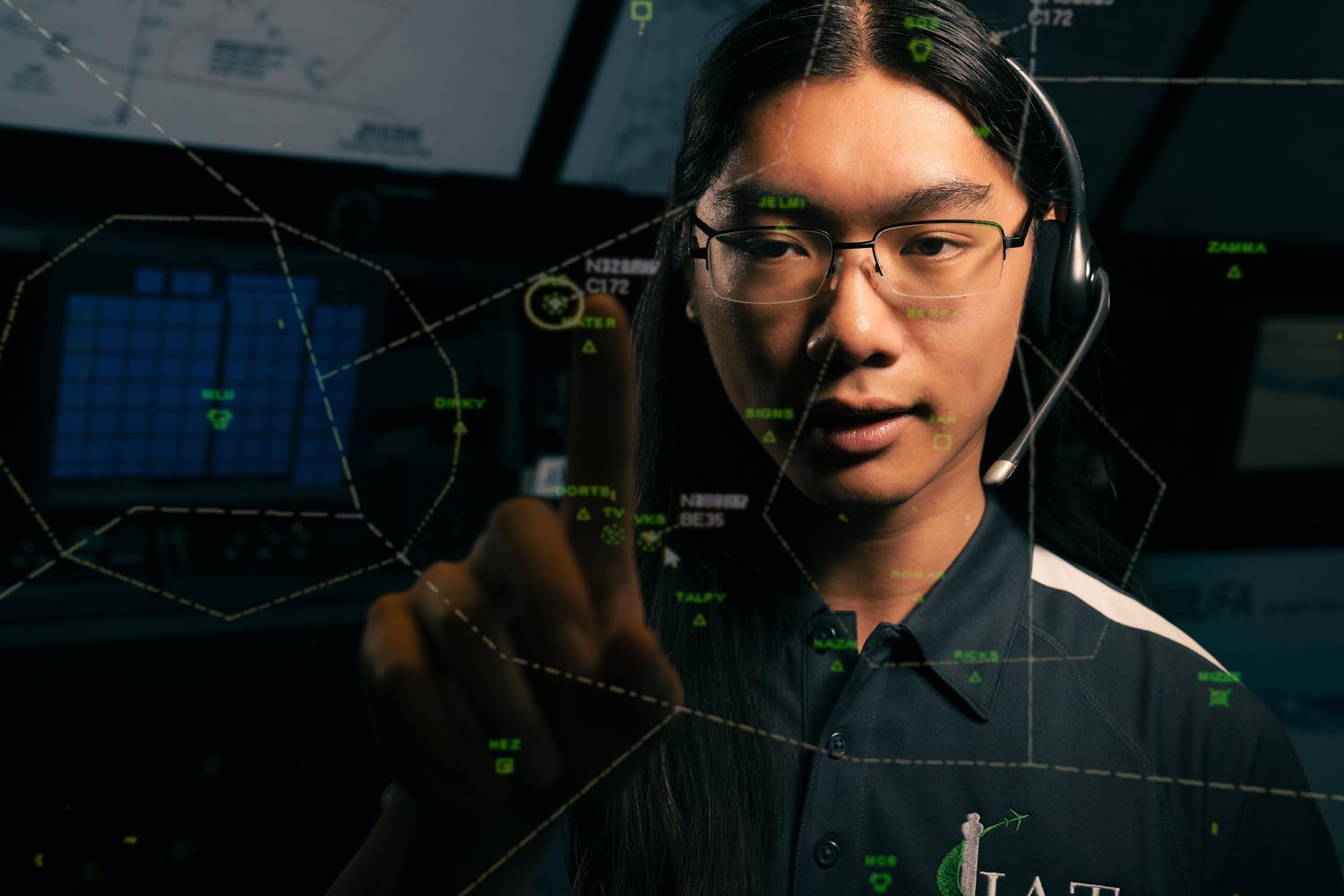
Coordinate flight operations through weather analysis, routing and regulatory knowledge. Support flight crews by evaluating conditions and making informed go or no-go recommendations that promote safety and schedule stability. Note: This program is offered alongside the pursuit of a degree and not as separate training.
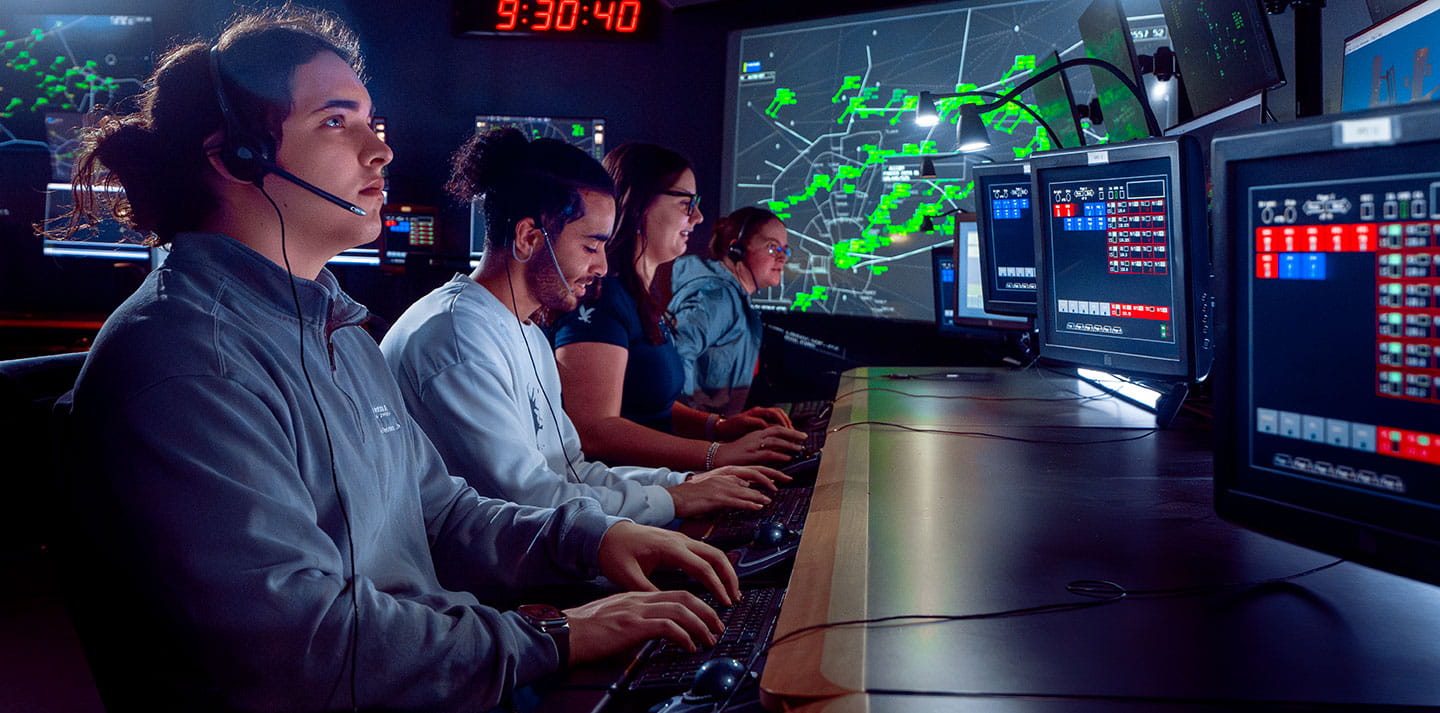
Explore living systems through cellular biology, physiology and ecology. Focus on how biological processes impact environments, health and aerospace contexts. Build a scientific foundation that supports research, biotechnology, environmental work or medical pathways.

Where atmospheric science meets operational decision making. Study weather systems, climate patterns and forecasting tools. Apply analysis to aviation and environmental planning to support safety, routing and mission outcomes across weather-sensitive operations.
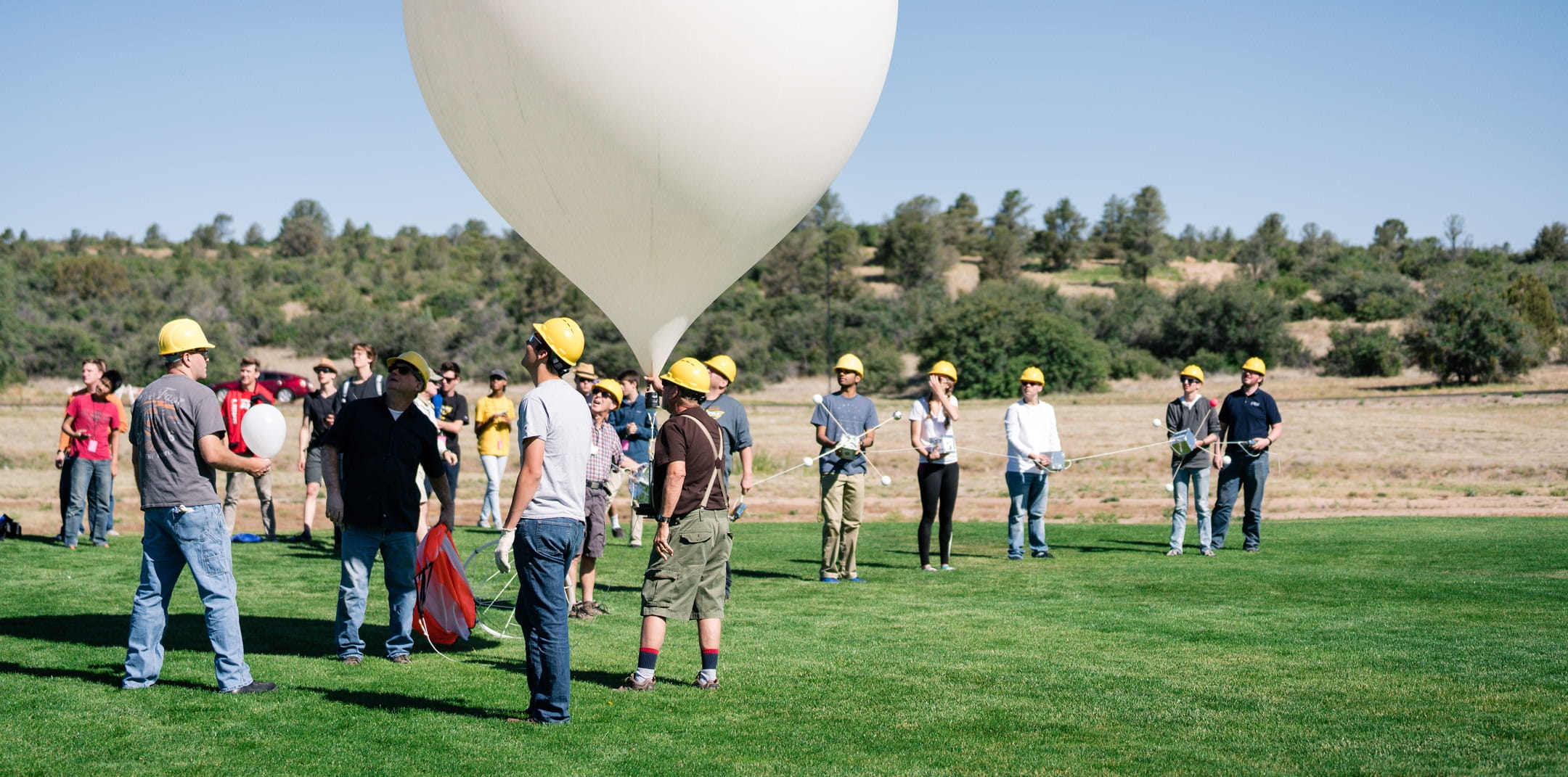
Investigate celestial objects and cosmic systems through observation, physics and data analysis. Work with telescopes and imaging tools to study stellar evolution, planetary motion and galactic structure while developing scientific reasoning used in research and exploration.

Examine business operations through the lens of the aviation industry. Study management, finance, marketing and supply chain strategy in aviation contexts. You’ll build analytical and leadership skills that support decision making in airlines, airports and aerospace organizations.

As the only program of its kind, the Bachelor of Science in Aviation Psychology integrates psychology, safety science, human performance, organizational behavior, decision-making and air traffic operations to examine how people think, work and perform across complex aviation systems.

B
Study how organizations operate and make decisions. Explore accounting, management, marketing and strategic planning while learning how businesses allocate resources, support teams and respond to changing markets across industries, including aerospace.

C
Where hardware meets software in aerospace contexts. You’ll study digital systems, embedded programming and electronics while developing the technical knowledge needed to design complex systems integral to aviation, uncrewed vehicles and space applications.

Understand how digital threats affect aviation, aerospace and national security. You’ll study network defense, threat analysis and system vulnerabilities to support safe, resilient operations across connected systems and infrastructure.

D
Translate complex datasets into actionable insight. You’ll develop expertise in programming, statistics and visualization to extract meaning from information and support evidence-based decisions across business, engineering and aviation sectors.

E
Investigate how electrical systems power and control modern aerospace vehicles and infrastructure. You’ll study circuit theory, electromagnetics and control systems while developing technical knowledge applicable in aviation, industry and research.

F
Where financial systems meet investigation. Learn to detect, prevent and document fraud using accounting, auditing and analytical techniques that prepare you to support ethical financial practices and investigative processes.

Explore the science of evidence through DNA analysis, tissue sampling and crime-scene investigation. You’ll gain hands-on experience in advanced biology and forensics labs while studying the legal and ethical standards that guide evidence handling and reporting.

Study how human thoughts, emotions and behaviors connect with the law and criminal justice system. Explore the science of psychology — how people think, learn and make decisions — and apply it to real-world issues like investigations, trials and corrections.

G
Study how global markets, logistics and cultural awareness shape modern business. You’ll explore management, finance and international strategy to prepare for roles that support global operations, trade and cross-cultural collaboration.

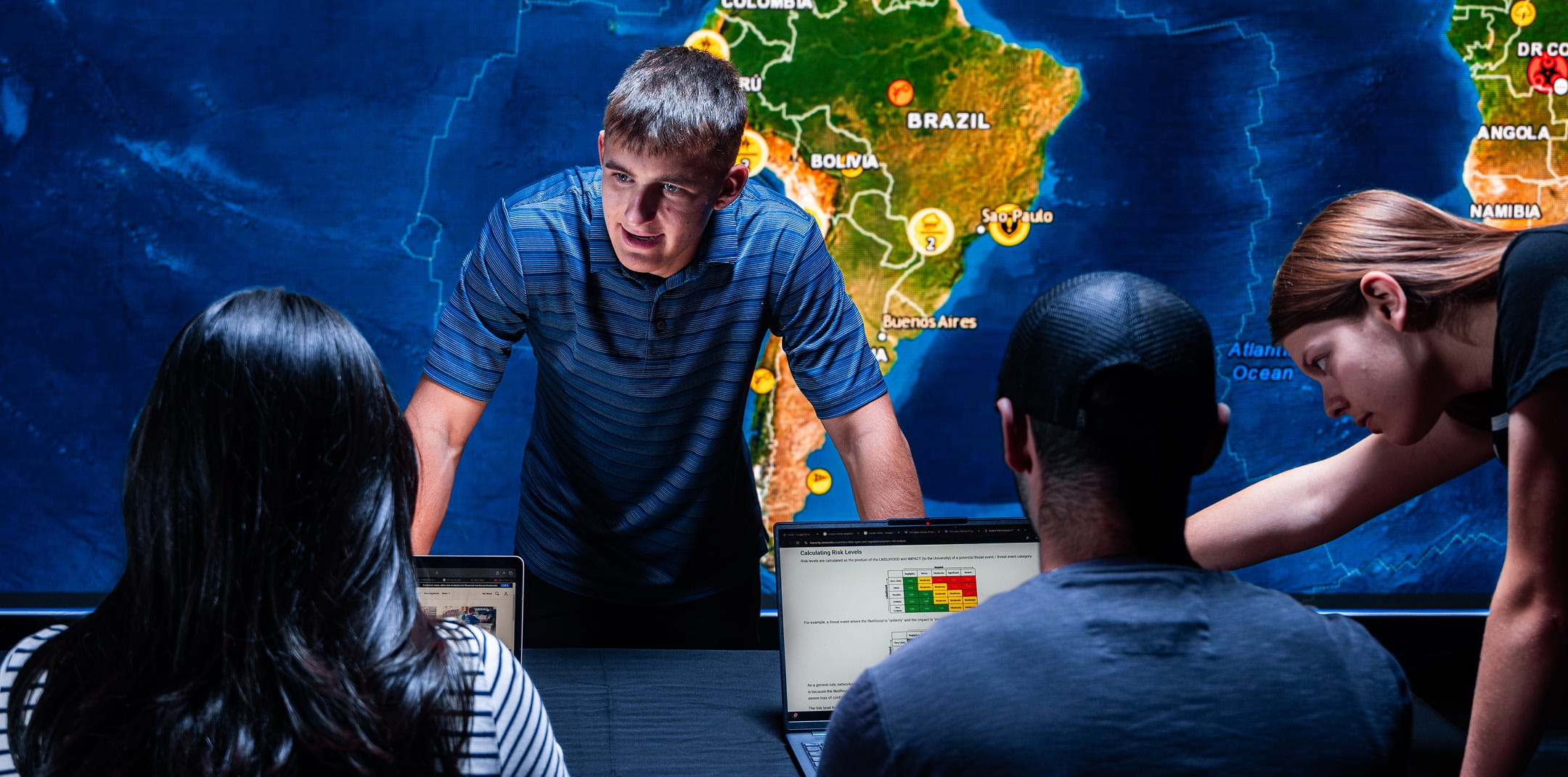
Where intelligence and security converge. Explore how political, economic and technological factors shape global threats. You’ll study analysis, cybersecurity and crisis response to prepare for careers in intelligence, defense and international security.
H
Explore cognitive, physical and organizational factors that influence performance. You’ll study perception, decision making and system design to enhance human efficiency and safety.
M
Study how motion, energy and materials shape the design of machines and structures. You’ll apply theory to projects that improve aircraft, spacecraft and advanced technologies used across the aerospace industry.

S
Explore how science and technology improve safety. You’ll learn about accident analysis, human factors and risk assessment to help organizations make data-driven decisions that protect people and operations.

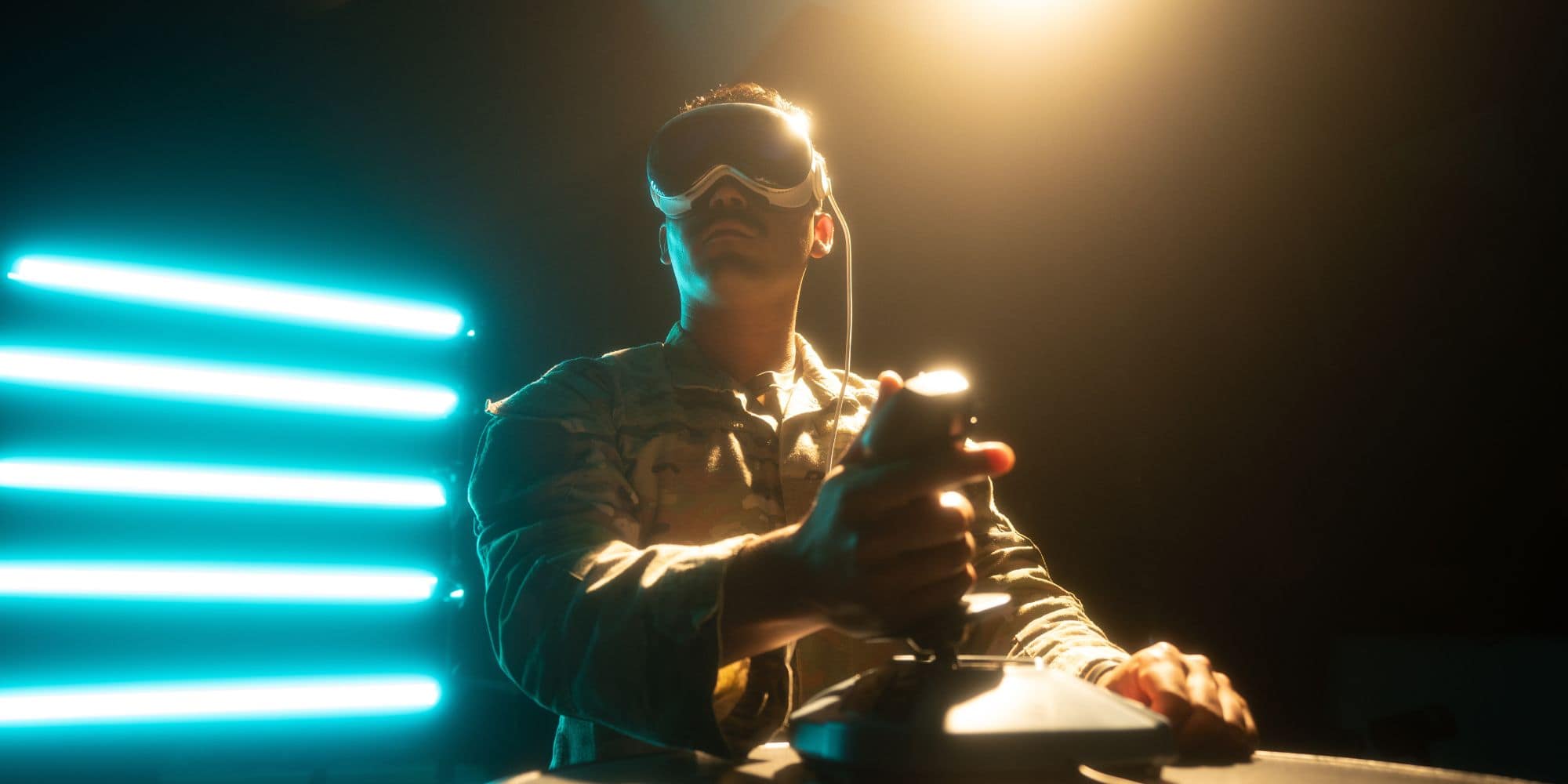
Explore how simulation and design create interactive experiences. You’ll study modeling, programming and visual effects to build tools used in flight training, research, gaming and aerospace visualization.

Study how complex software systems are designed, built and maintained. You’ll gain hands-on experience developing secure, high-performance applications that support aviation, aerospace and technology industries.

Explore how matter and energy behave beyond Earth’s atmosphere. Study plasma physics, space weather and cosmic radiation while learning how physical forces influence spacecraft design, planetary systems and the broader universe.

U
Examine the growing role of automation in air, land and sea operations. You’ll study systems design, communication networks and mission planning to prepare for work in industries adopting uncrewed and intelligent technologies.
