
Degree and Program Directory
We offer a comprehensive collection of academic programs focused on aviation, business, computers and technology, engineering, security, intelligence and space. Use the directory below to explore by campus, degree level or field of study.
Results
Displaying 42 Results
A
Explore the science and practice of piloting through hands-on flight and simulation. Focus on navigation, weather and safety to build the technical skills and professional judgment needed to operate aircraft and contribute to aviation mission success.

Examine the aviation industry through operations, safety, maintenance and air transportation systems. Develop technical understanding and applied problem solving that supports advancement across airports, flight organizations and aerospace networks.

Where operational insight meets data interpretation. Study performance modeling, forecasting and analytical tools to enhance planning, efficiency and strategic outcomes in airlines, airports and aerospace organizations.

Explore flight and space systems through aerodynamics, propulsion, structures and controls. Apply engineering methods in labs, design projects that advance aircraft performance and contribute to the future of space exploration.

Where human performance intersects with extreme environments. Study the effects of altitude, acceleration and microgravity to support crew health and mission readiness in aviation and spaceflight operations.

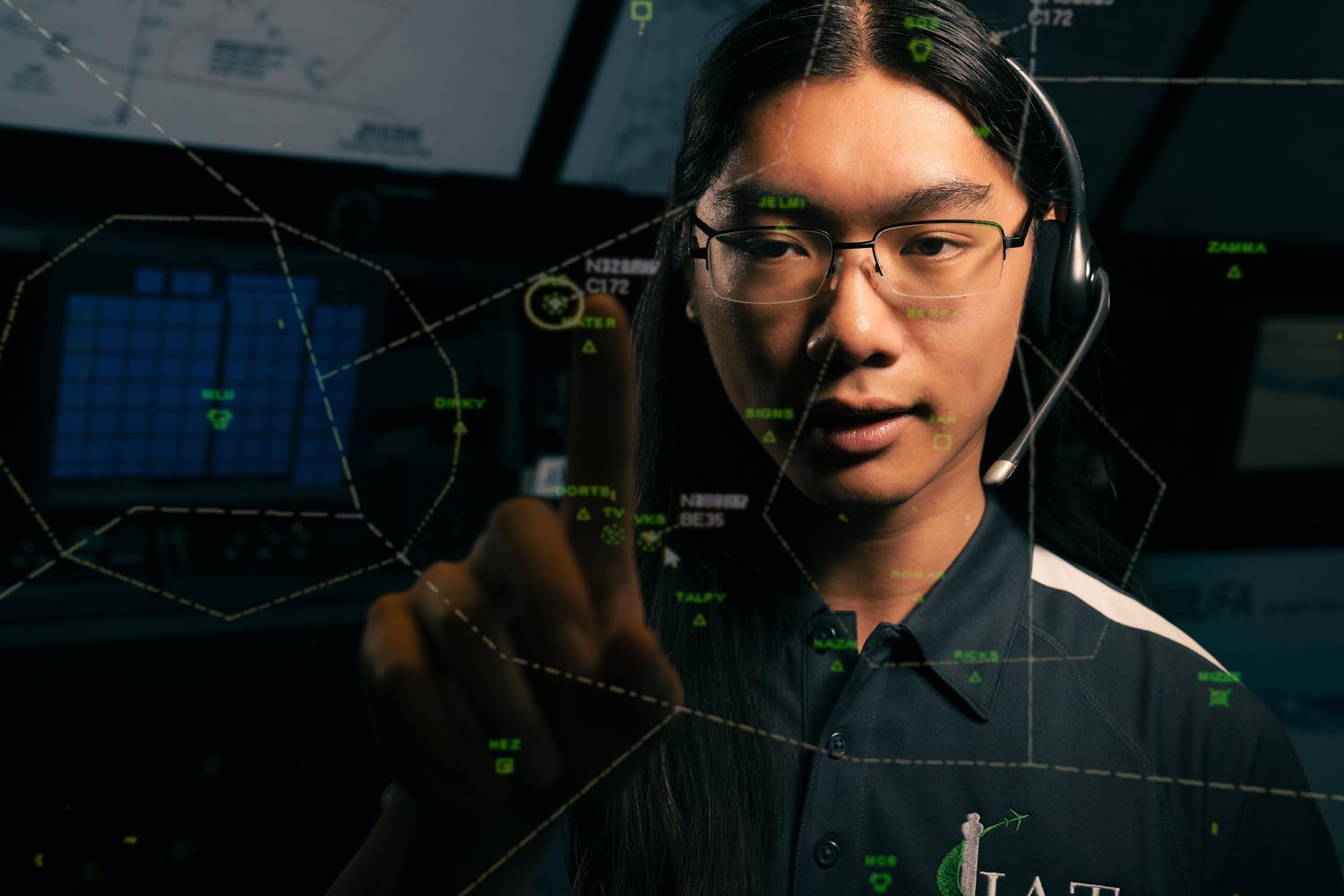
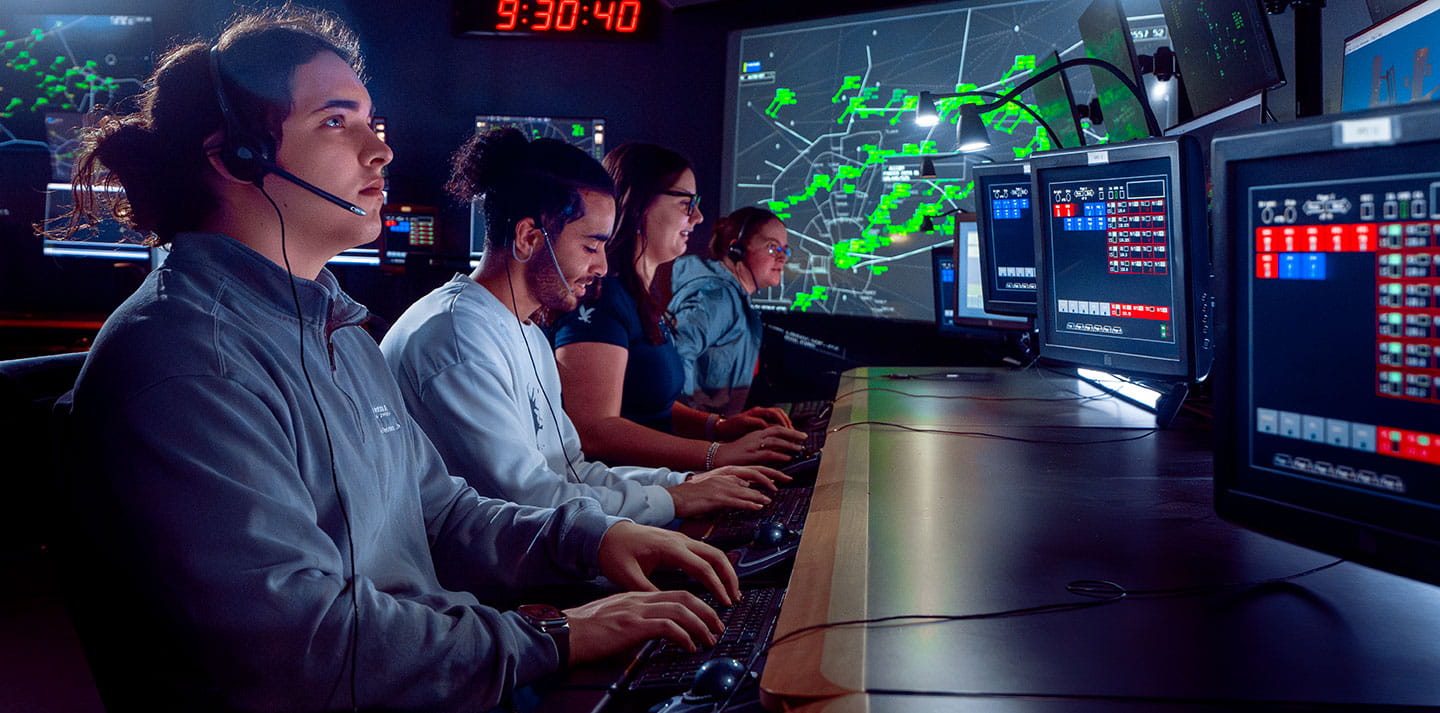
Explore airspace coordination through navigation, communication and radar technologies. Focus on maintaining safety and efficiency while developing the decision-making skills needed to guide aircraft in complex environments.
Coordinate flight operations through weather analysis, routing and regulatory knowledge. Support flight crews by evaluating conditions and making informed go or no-go recommendations that promote safety and schedule stability. Note: This program is offered alongside the pursuit of a degree and not as separate training.
Explore the universe through theoretical models and observational data. Study the behavior of stars, planets and galaxies along with the forces that shape them. Apply physics, computation and mathematical methods that support research in space science and cosmology.

Study the principles that connect flight operations, safety, management and technology across the aviation industry. You’ll analyze systems and strategies that shape air transport and prepare to lead advancements in an evolving global aerospace environment.

Focus on preventing accidents and improving operational safety across flight and space environments. Study human factors, risk management, investigation techniques and safety program design to support organizations working to maintain safe and reliable operations.
Examine business operations through the lens of the aviation industry. Study management, finance, marketing and supply chain strategy in aviation contexts. You’ll build analytical and leadership skills that support decision making in airlines, airports and aerospace organizations.

Examine how financial decisions shape airlines and aerospace operations. You’ll learn how organizations evaluate costs, manage resources and make strategic choices across the global aviation market.

Advance your aviation maintenance career and build the expertise to keep the world’s aircraft flying safely and efficiently.

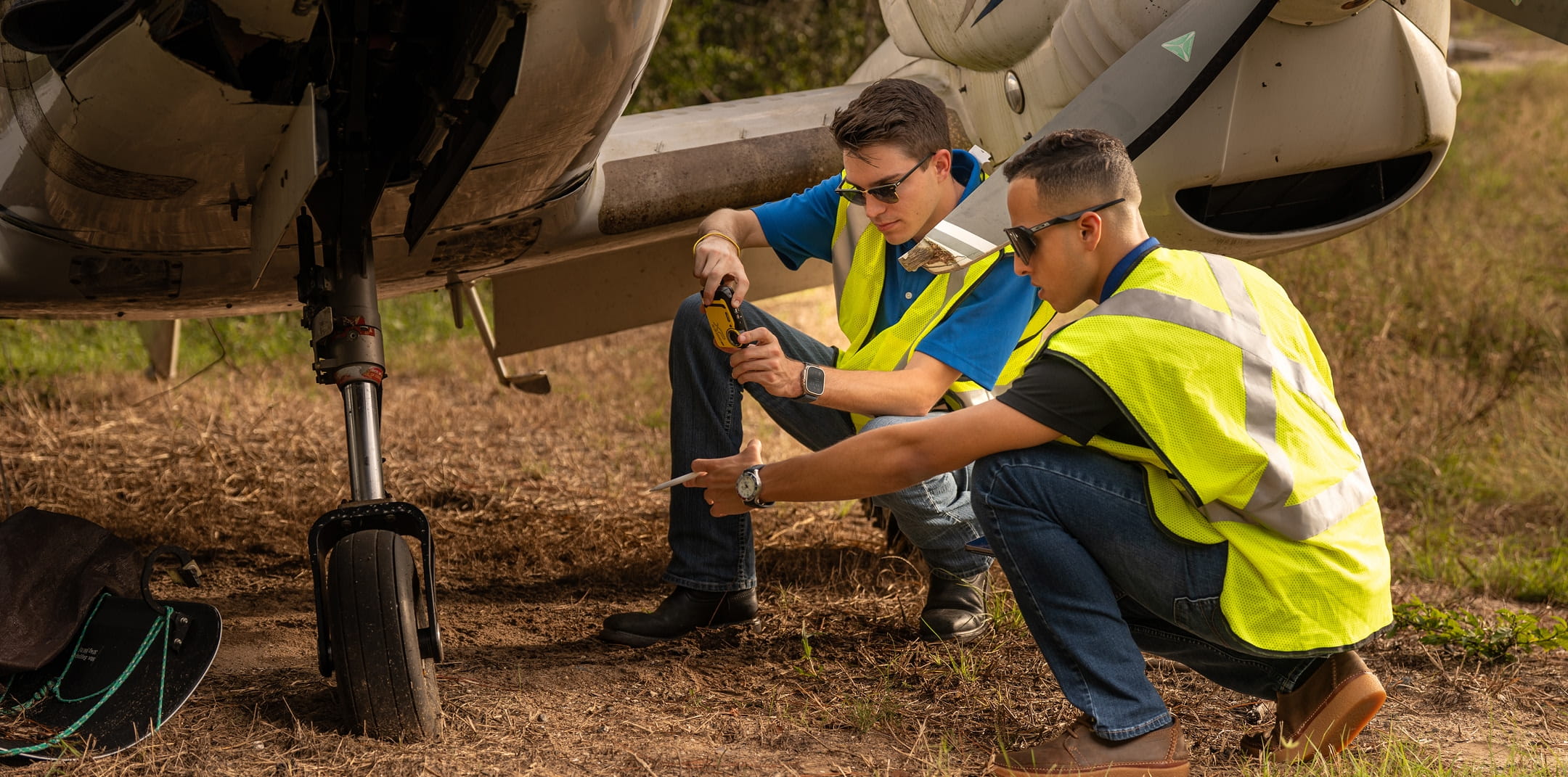
Explore aircraft inspection, repair and troubleshooting through hands-on technical training. Prepare for the FAA Airframe and Powerplant certification while gaining experience in avionics, safety and operational support across various aviation settings.
B
Study how organizations operate and make decisions. Explore accounting, management, marketing and strategic planning while learning how businesses allocate resources, support teams and respond to changing markets across industries, including aerospace.

Focus on how business and operational systems function within air transportation. Learn how scheduling, service delivery, finance and workforce management connect to aviation outcomes.

C
Study how infrastructure is planned, designed and built. Explore structural analysis, construction methods and environmental considerations. You’ll learn how engineering decisions shape transportation systems, public works and community development.
Explore how messages shape technology, society and aviation environments. You’ll study media, technical writing and digital platforms to translate complex information into clear communication that engages diverse audiences in aviation, aerospace and STEM-driven settings.
Dive into the mathematical and computational tools used across science and engineering. You’ll develop analysis skills in statistics, programming and problem solving that apply to real-world challenges in data-intensive and technology-driven fields.

Where hardware meets software in aerospace contexts. You’ll study digital systems, embedded programming and electronics while developing the technical knowledge needed to design complex systems integral to aviation, uncrewed vehicles and space applications.

Delve into computing theory, algorithms and software development in a high-tech environment. You’ll build foundational programming skills, tackle challenging problems and develop solutions that power aerospace, defense and global technology industries.

D
Translate complex datasets into actionable insight. You’ll develop expertise in programming, statistics and visualization to extract meaning from information and support evidence-based decisions across business, engineering and aviation sectors.

E
Bridge electrical systems and computing design at an advanced level. You’ll explore systems-level integration, signal processing and hardware/software interplay to lead design efforts in aerospace, defense and technology enterprises.

Investigate how electrical systems power and control modern aerospace vehicles and infrastructure. You’ll study circuit theory, electromagnetics and control systems while developing technical knowledge applicable in aviation, industry and research.

Pursue the highest level of research and innovation in computing and electronics. You’ll engage in advanced study and investigation, shaping new technologies and contributing to academic or industry leadership in aerospace systems and software.

Explore the physical laws that drive innovation in flight and space systems. Study optics, quantum mechanics and instrumentation, applying physics to research and development projects that advance aerospace and technology.

G
Understand the origins and resolution of global disputes. You’ll study history, politics and international relations to analyze how conflicts emerge and how peacekeeping, diplomacy and policy can address challenges across nations and cultures.

H
Study how people interact with machines, systems and environments. You’ll apply psychology, engineering and design to improve performance, safety and usability across operations.

Explore cognitive, physical and organizational factors that influence performance. You’ll study perception, decision making and system design to enhance human efficiency and safety.

I
Explore the coordination between intelligence gathering and homeland defense. You’ll learn analytical, operational and leadership skills that support decision making in public safety, defense and private-sector security environments.
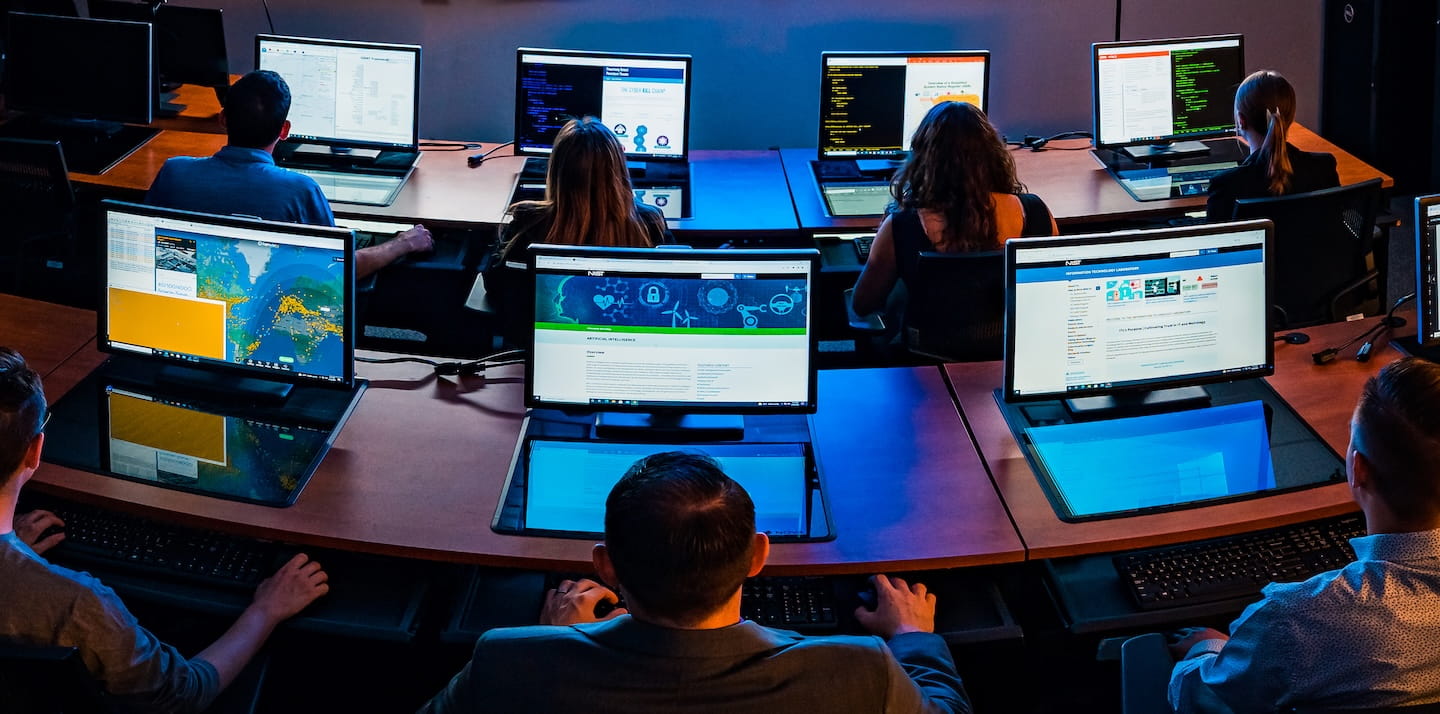
Build a flexible academic path that integrates multiple disciplines. You’ll combine coursework from science, business, humanities or aviation to align your education with your personal interests and career goals across emerging global industries.

Focus on the aviation finance and leasing industry through courses developed with the International Society of Transport Aircraft Trading. You’ll study valuation, leasing structures and asset management to prepare for roles in aircraft trading and investment.

M
Study how motion, energy and materials shape the design of machines and structures. You’ll apply theory to projects that improve aircraft, spacecraft and advanced technologies used across the aerospace industry.

Where weather science meets human impact. Study atmospheric behavior, forecasting and climate systems to understand how weather influences decision making worldwide.

O
Explore how organizations build safer workplaces. You’ll study hazard recognition, compliance and leadership while learning how to create safety programs that reduce risk and strengthen organizational performance.

S
Study how complex software systems are designed, built and maintained. You’ll gain hands-on experience developing secure, high-performance applications that support aviation, aerospace and technology industries.

Where flight meets the frontier. Study orbital mechanics, mission design and space systems management. You’ll learn how spacecraft are planned, launched and supported and how operations teams coordinate payloads, communications and safety for government, commercial and research missions.

Explore how matter and energy behave beyond Earth’s atmosphere. Study plasma physics, space weather and cosmic radiation while learning how physical forces influence spacecraft design, planetary systems and the broader universe.

Focus on how complex projects are planned, built and maintained. Study modeling, integration and process improvement to understand how large engineering systems achieve reliability, efficiency and mission success.

U
Examine the growing role of automation in air, land and sea operations. You’ll study systems design, communication networks and mission planning to prepare for work in industries adopting uncrewed and intelligent technologies.

Focus on the engineering that powers next-generation autonomous vehicles. Study control systems, sensor integration and mission reliability to design technologies that expand how humans and machines work together.
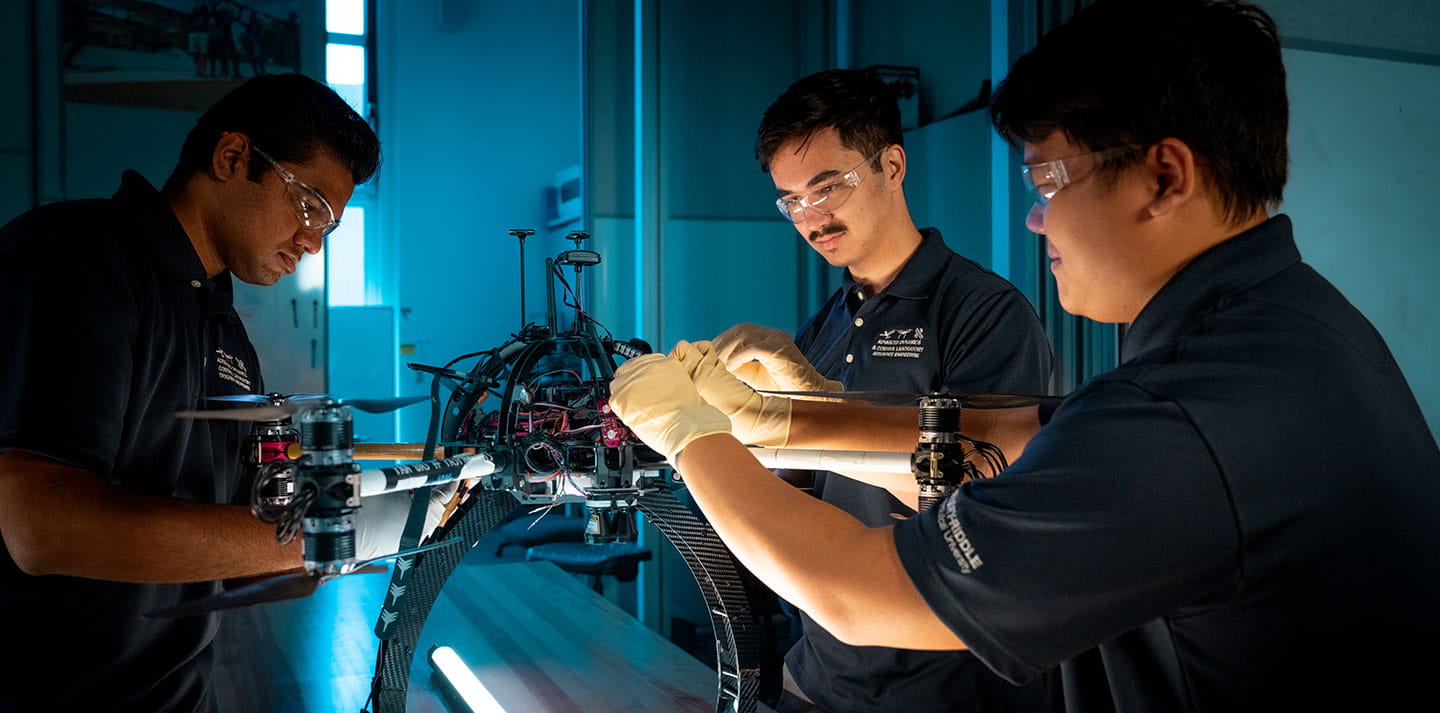
Study the systems and software that guide uncrewed operations. You’ll explore autonomy, human-machine teaming and system design to prepare for work in aviation, defense and research environments.
